
Creating a Safe Space for Your Loved One
As our parents age, it's important to make sure their home environment is safe. Here's some tips on how to do so.
10/24/20252 min read
"I was checking the camera just to see how mom was doing through the night and all of a sudden I saw mom fall as she was trying to stand up! My heart dropped!"
How gut wrenching that had to be to see your 90 year old mother fall to the floor, and because you're miles away and the relative who lives with her was asleep. Unfortunately, this situation can be all too common. The good news? With a few proactive changes, you can make your parent’s home a safer, more comfortable place to live. Here are five ways to safety-proof their home and bring peace of mind to your whole family.
1. Make the Bathroom Fall-Proof
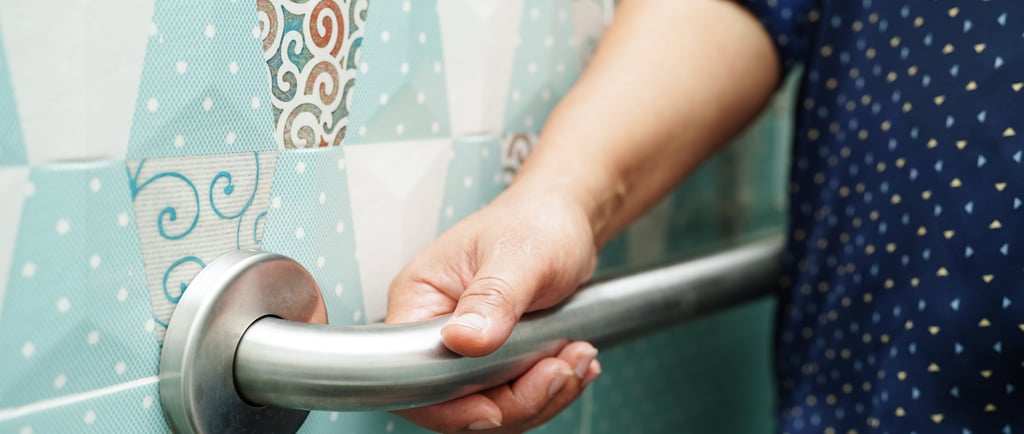
The bathroom is one of the most hazardous rooms in the home for older adults. Wet floors, low toilets, and hard surfaces can lead to serious injuries. Simple updates can make a huge difference: install grab bars near the toilet and shower for extra stability, replace throw rugs with non-slip mats, add a shower chair and handheld showerhead for comfort and control, and brighten the space with motion-activated lights for those late-night visits. These small improvements can help your loved one feel more confident and independent in their daily routines.
2. Improve Lighting and Eliminate Clutter
As vision and mobility change with age, even simple tasks can become more challenging. Poor lighting and cluttered walkways are among the top causes of falls. Take time to add bright LED lighting in hallways, stairways, and entrances; use night lights or motion-sensor lamps for safety after dark; and clear pathways of cords, furniture, and loose rugs. These easy steps can transform your parent’s home into a safer, easier-to-navigate space.
3. Add Cameras or Home Monitoring Systems
Technology offers reassurance when you can’t always be there. Modern monitoring tools allow families to stay connected and respond quickly in emergencies. Install indoor cameras in common areas so loved ones can check in remotely, add video doorbells for secure visitor access, and consider smart sensors that alert you to unusual movement, open doors, or inactivity. Used responsibly, these devices help families maintain independence while staying safe and supported.
4. Use Sensors to Prevent Wandering
If your loved one lives with dementia or Alzheimer’s, wandering can become a real concern. But technology can help prevent dangerous situations. Add door and window sensors that send alerts when opened at odd hours, try bed or chair sensors that detect unexpected movement, and consider GPS-enabled bracelets or watches that allow for gentle tracking without invading privacy. These systems offer peace of mind while respecting your loved one’s dignity.
5. Make Everyday Tasks Easier
Safety isn’t just about preventing falls—it’s also about supporting independence. A few small modifications can make daily life more manageable. Keep frequently used items at waist level to prevent overreaching, replace doorknobs with lever handles for easier grip, add sturdy seating in the kitchen or hallway for rest breaks, and use labels or color coding to help with organization and memory. The goal is to make home life smoother, safer, and less stressful for everyone involved.
💙 You Don’t Have to Do It Alone
Caring for aging parents is one of life’s greatest acts of love—but it can also be overwhelming. At Brilliant Healthcare, we understand the challenges families face when it comes to keeping their loved ones safe, healthy, and independent. Our compassionate caregivers provide in-home support that makes daily living easier and safer—so you can rest knowing your loved one is cared for like family.
📍 Serving the Hampton Roads area.
💬 Learn more about our home care services at www.brillianthealthcareinc.com.